Archaeological Techniques and
Research Center
FOR ALL ARCHAEOLOGY, BIOARCHAEOLOGY, OSTEOLOGY, FORENSICS, GEOPHYSICS AND EXPERIMENTAL PROJECTS, CHECK OUT OUR BRAND NEW WEBSITE:

Neolithic Settlement Excavation and Survey
National Museum of Eastern Carpathians (www.muzeul-carpatii-rasariteni.ro/)
Archaeological Techniques and Research Center
Limited field research in 2012
Long before the Greeks, Romans, and Celts, Europe was home to Neolithic cultures, its first farmers. In the Balkans Neolithic peoples reached new levels of technological and artistic sophistication, creating expressive material that is still a marvel today. One of these culture-groups, the Cucuteni-Ariuşd-Tripolye, spanned the Carpathian mountains and Moldovan forests, stopping only at the edge of the Pontic steppe in Ukraine.
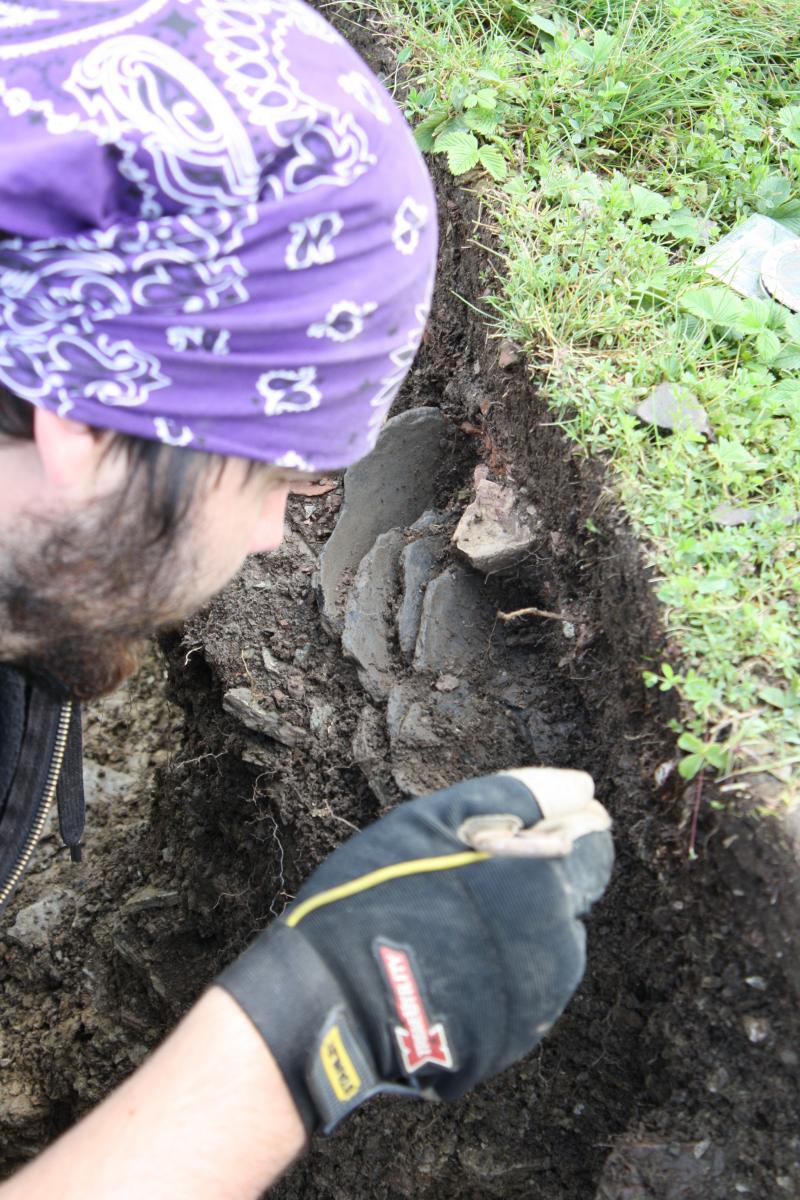
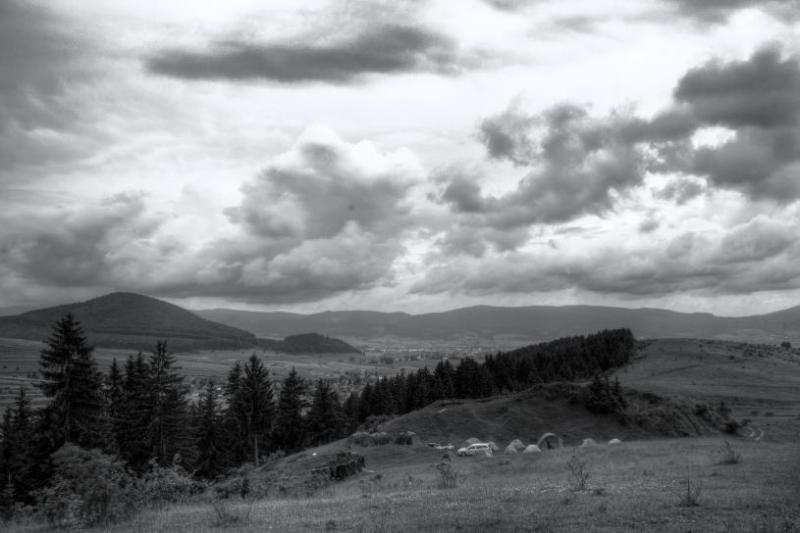
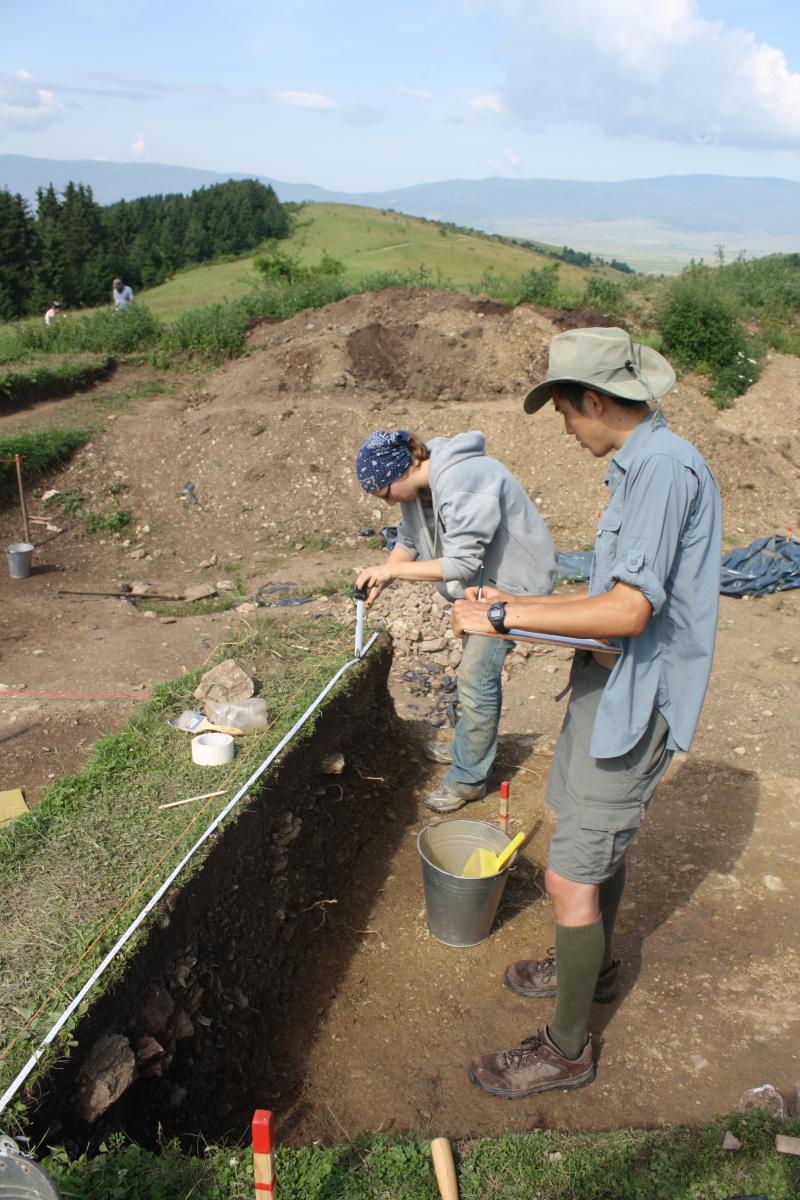
Two components of this cultural complex, the Ariuşd and the Cucuteni, are separated by the Eastern Carpathian Mountains. Stretching over 900 miles (1500km), the Carpathians are the second longest mountain chain in Europe and a defining part of Romanian geography. The mountains certainly played a role in the economic, religious, and social lives of the Neolithic populations, however in only rare circumstances are their sites found within the Carpathian foothills. This raises an interesting question- to what extent did Ariuşd and Cucuteni population stay in contact across the Carpathian Mountains? In an attempt to understand the relationship between these people and the mountains we are excavating the Ariuşd settlement at Păuleni Ciuc.
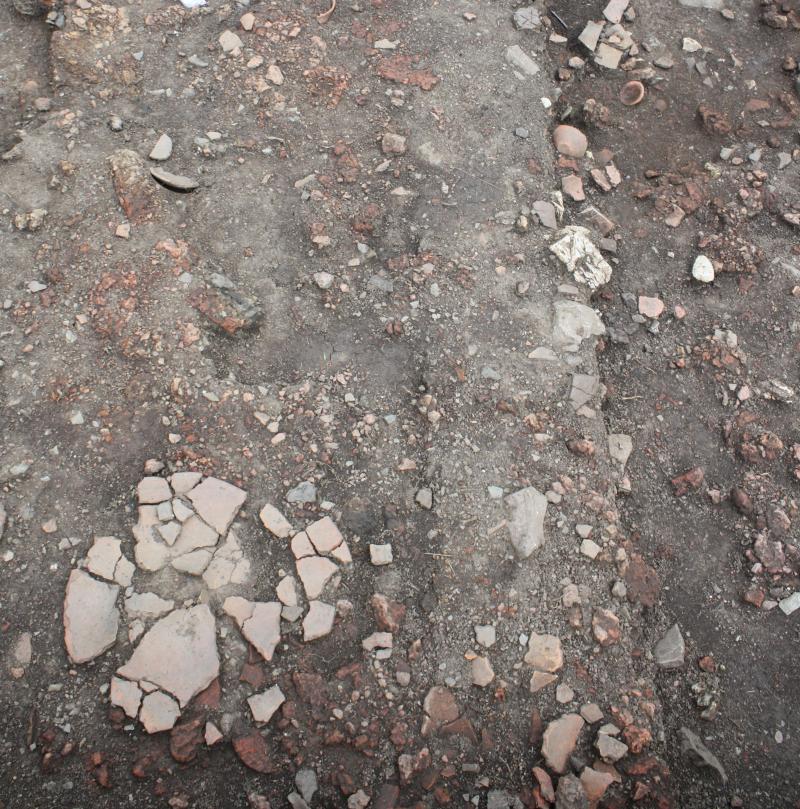
Neolithic Remains
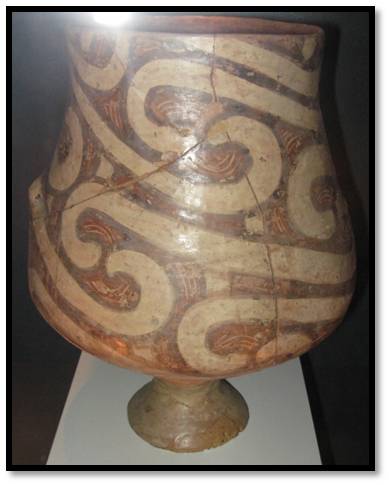
Cucuteni Cupa cu Picior